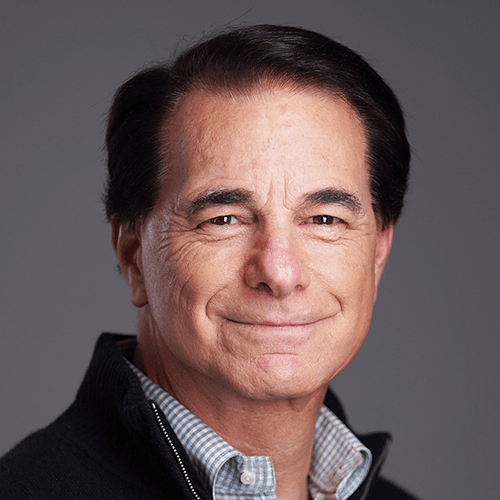
Last week, Paul, Nyle's father-in-law, and I embarked on a three-day backpacking trip in the Sierra Nevada. Our backpacks weighed more than 40 pounds, loaded with everything we would need for the adventure.
Walking through the wilderness is a unique experience. You are surrounded by the beauty of the forest and a surreal quiet that can only be found far from civilization.
The trip was amazing. Backpacking in the Lake Tahoe region of the Sierras is always memorable. For the first two days, the weather was spectacular, with clear blue skies and temperatures in the mid-70s. That would change suddenly on the third day which I will discuss later.
We drove approximately 90 minutes from the Roseville area to the Caples Lake trailhead. In the parking lot, we made our final preparations, locked the car, put on our packs, and began our journey.
As the hours passed, our packs seemed to grow heavier, and the climb became increasingly challenging. Long hours on the trail also provide plenty of time to think. I found myself comparing the many stages of a wilderness adventure from the initial idea to being on the trail months later.
Every year, men and women venture into the wilderness with widely different outcomes. For some, the experience exceeds their expectations. For others, inadequate preparation, poor decisions, or unexpected circumstances can turn an adventure into a tragedy.
There are many similarities between what makes a wilderness trip successful and what makes a life successful. I thought I would share a few of the lessons that occurred to me along the trail.
Preparation and planning
Weeks before we set foot on the trail, we began the preparation and planning process. Our decisions followed an "if this, then that" progression, beginning with broad choices and gradually moving toward the smallest details.
The first questions were straightforward: Where would we go? When would we leave? How long would we stay? Who would be joining us?
Once those decisions were made, we could establish the parameters for everything else. We considered whether we wanted to camp beside a lake, the maximum weight we were willing to carry, the expected weather, the physical difficulty of the trail, the travel time to the trailhead, potential wildlife risks, the isolation of the area, and the availability of optional day hikes.
The next stage involved more detailed planning, including meals, equipment, clothing, emergency supplies, and personal necessities. Each decision affected another. Carrying more equipment might improve our comfort and safety, but every additional item would also increase the weight on our backs.
In short, the probability of a successful trip was directly related to the time and effort we devoted to preparing for it.
Life works much the same way. Throughout our lives, we face decisions that can significantly affect our future. Early choices such as entering the workforce or attending college are only the beginning of decades filled with important decisions.
Whom to marry, whether and when to have children, where to live, when to purchase a home, which career path to pursue, and how to invest for the future represent only a small sample of the choices most of us will eventually face.
Unfortunately, many people do not devote enough time to planning their lives. Without a clear destination, thoughtful preparation, and research to support our decisions, it is easy to take unnecessary detours or follow paths that lead us in the wrong direction.
A plan cannot eliminate every surprise. The weather can change, the trail can become more difficult than expected, and circumstances beyond our control can force us to adjust. However, careful planning gives us the knowledge, resources, and confidence to respond when conditions change.
Whether we are preparing for three days in the wilderness or several decades of life, success rarely happens by accident. It begins with knowing where we want to go, understanding the challenges ahead, and preparing ourselves for the journey.
My wife has a saying I have referenced before that is, "If you don't manage life, life will manage you."
Follow competent and experienced leaders
Throughout the trip, my eyes were usually fixed on Paul walking ahead of me.
He is a highly experienced backpacker. He has a distinguished career as a firefighter. Then after retiring he taught survival techniques to volunteers and search and rescue skills during the worst of Sierra Mountain weather. He has also completed multiple climbs of Mount Whitney, an elevation of more than 14,000 feet, and taken hundreds of backpacking trips throughout the West Coast.
Paul had traveled this specific trail dozens of times and never questioned where he was going. Along the way, he pointed out interesting features in the forest, spectacular views from key overlooks, and areas where I needed to be especially careful.
I had never traveled this trail, so I trusted Paul completely. The safest and most efficient way for me to reach our destination was to follow him and not attempt to blaze my own trail.
Life is much the same. We all need mentors and advisors who have already traveled the paths we hope to take. They can share lessons learned through experience, sometimes the hard way, and guide us toward choices that are more likely to produce successful and rewarding outcomes.
Our responsibility is to listen and follow through. It would have done me little good if Paul had suggested one direction while I chose to go another.
Several times, Paul left the established trail and led us through meadows or wooded areas where no visible path existed. Based on his previous experience, he knew where he was going and understood that his route was better. I trusted him, followed his lead, and sure enough we emerged from the woods exactly where we were supposed to be.
Choose leaders who care about you
It is also important to choose mentors and advisors who care about you and your family. Paul is an excellent example of this.
Many times, I fell behind because I stopped to take a picture or adjust my backpack. I would hurry to catch up, only to round a corner and find Paul standing there, waiting for me.
It may seem obvious that a leader should occasionally look back to make sure everyone following is okay. On the trail, however, it is easy to settle into a comfortable pace and become so absorbed in the experience that we forget about those behind us.
Throughout our three-day trip, Paul advised me on everything from where to pitch my tent to how to handle the challenges of the trail. He also offered me provisions I had not brought.
I later realized that he did not simply happen to have extra nuts, Fig Newtons, and electrolyte packets. He had packed those items with me in mind, anticipating that I might need them, which I did.
A good leader does more than reaching the destination. A good leader makes sure the entire team reaches it safely and has the best possible experience along the way.
Good leaders follow other leaders
Many times, we would come to an area where the path seemed to disappear. Even Paul would have to look around to figure out where to go. This was particularly true in areas consisting of large solid granite boulders that we would need to traverse over or around. The wrong choice could lead to delays or the need to back track and try a new direction.
You will notice at the rock formation pictured below, the path literally stops at the rocks. Do we go left, right, or over the top? The answer was resolved by a former hiker who placed a pile of rocks as a sign to confirm the right path was over the granite boulders.
Even though anyone could knock over these rocks, it rarely happens. There is respect by hikers on the trail and a comradery to help those that may follow in our path even though we may never meet.
Even an experienced leader like Paul occasionally relied on guidance left by someone who had traveled the path before him.
I believe life works in a similar way. God places people in our lives who provide guidance or markers that help keep us on the right path. I cannot begin to thank the many people who have taken time from their own lives to help us and our children over the years.
Some were people we knew well. Others were complete strangers who offered small but meaningful gestures, such as picking up dropped groceries or sharing an umbrella during an unexpected rainstorm.
One example involved our grandson, James. James is a verrrrry active young man with an abundance of energy. His abundance of energy serves him well on the soccer field, but it can present challenges in the classroom.
A few years ago, James was struggling in third grade and was not connecting well with his teacher. As the school year progressed, the relationship continued to deteriorate, and patience on both sides began to wear thin.
His teacher expressed her frustrations with his mom and apparently confided with the principal her challenges with James. As tension rose the principal surprised us all with an exceptional act of compassion. One morning he shows up in James' class and asks the teacher if James is available to assist him with his routine checking in on classes. As they walked around the principal talked with James as a friend and encouraged him to be the best he could be.
When his mother picked him up that afternoon, James could hardly wait to tell her what had happened. Even more remarkably, the principal continued this routine for an entire week.
James still had plenty of energy, but his sense of well-being and self-confidence grew, and his classroom behavior improved dramatically. The principal did not criticize or punish him. Instead, he made James feel important, useful, and valued. Now years later James is a straight A student.
Without that brief investment of time and compassion, we know how easily a struggling child can enter a downward spiral. Declining grades can damage confidence, negative labels can become self-fulfilling, and the wrong friends can begin to exert greater influence.
We may never see that principal again, but his thoughtful intervention may have been the turning point that redirected James from potentially a less favorable path.
Leaders lead us to goals we would never pursue
On the second day of our trip, Paul pointed toward a high mountain peak where we could see a small patch of snow. Below the snow line was Emigrant Lake, a snow-fed lake located near one of the higher mountain peaks in the Tahoe region. There are no roads leading to it; the only way to experience it is to hike there.
A few days before our trip, I had come down with a cold. I was still struggling that morning and, if I had been alone, probably would have decided against making the hike.
Paul thought otherwise. He encouraged me to continue with the hike as we had planned.
We left camp at approximately 10:00 a.m., and the journey was well worth the effort. The trail was beautiful, and when we reached the higher elevation, the view across the Sierra valleys below was spectacular. Emigrant Lake was every bit as impressive as Paul had promised.
Paul was excited about seeing this lake again and for me to have made the hike.
Leaders are prepared for the unexpected
While we were having our lunch at Lake Emigrant, the wind started to pick up. After an hour the wind was gusting above 20 mph. We decided to head back to camp to get out of the wind. However, the wind got stronger and by the time we got back to camp the gusts were exceeding 30 mph.
Once the sun had dropped below the mountain range so did the temperature which is typical in the Sierra's. The night before we stayed up to talk and watch the brilliant star filled sky. This night we retired early as it was getting too cold and windy. Conditions continued to decline throughout the night with wind gusts so strong that our tents shook violently. Needless to say, we didn't get much sleep. In the morning the temperature was around 40ish degrees with still strong gusty winds. Weeks before Paul had advised me to buy a wind-proof-down jacket and pants. I was thankful I did as it was cold.
What I didn't have was a pair of gloves. And surprise, Paul brings out a set I could wear. Good leaders can anticipate the unexpected and be prepared for themselves. Great leaders also think of others, so they are equally prepared.
What does this mean to me?
Day hikes or overnight backpacking trips are a great time to enjoy nature and think about life. I am thankful for the many people in my life that have provided good counsel and leadership.
It is my hope that you have key people in your life that you can seek advice when facing difficult or challenging circumstances.
On the last day, Paul had one additional learning point. Know your footprints and those with you. The rationale is if you get lost or separated from your group, you can back track once you spot your footprints or those from your group.
With our kids we always taught them that if they got separated from us to go back to the last place we were together and stay there. Several times in busy areas in a mall or events we have gotten separated and applied this principle. In all cases, instead of wandering around trying to find a lost child, we went back to the last place we were together and there they were.
In life there are times when we are lost and don't know what to do. Our experience is to regroup with people that have been faithful, trustworthy, and love us. When my wife and I were younger and overwhelmed with life, we would pack up our kids and go to my parents' house for dinner. They welcomed us and provided a needed break. For us it was the equivalent of returning to a place that represented times of safety and comfort. Now with 10 grandkids of our own, we don't wait for our adult kids to stop by exhausted and needing a break. Every Saturday is "Family Day" in which our local two sets of adult kids and their families come over for the afternoon to swim, play, and have dinner. This tradition has lasted years and even now our 20-year-old granddaughter continues to come over with her boyfriend. I am confident they will always remember these Saturdays together and especially my wife's excellent cooking. We try to get all three sets of adult kid families together at least once a year whether it's a family vacation in Hawaii or bringing them all together for the holidays.
The point in all of this is to know your footprints. Who are you, why are you here, and who are around you that you can help.
Let us know your thoughts on this Update. We welcome your sharing an experience that left an impressionable lesson you learned.
This material is provided by Up Capital Management for educational purposes only and does not constitute investment, tax, or legal advice. Past performance is not indicative of future results.